
Location
Common Symptoms of Spinal Stenosis
- posted: Mar. 23, 2026
Spinal stenosis is a condition that occurs when spaces within the spine begin to narrow, placing pressure on the spinal cord and surrounding nerves. This narrowing can develop gradually and often leads to discomfort, weakness, or changes in mobility. Reno Tahoe Pain Associates in Reno, NV, provides comprehensive care for individuals experiencing symptoms of spinal stenosis, helping patients understand the condition and find ways to manage pain while improving daily function.
Although spinal stenosis is more common as people age, the condition can affect individuals at different stages of life. Recognizing early symptoms can help patients seek timely evaluation and treatment before symptoms worsen.
Understanding Spinal Stenosis
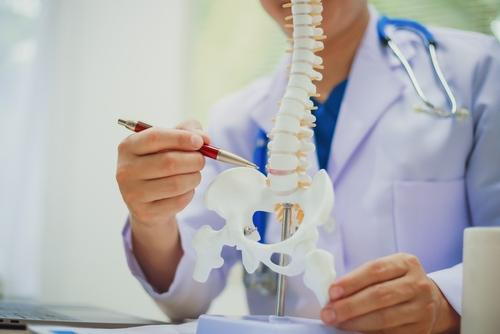
The spine is made up of bones called vertebrae that protect the spinal cord and support body movement. Between these bones are discs and joints that allow flexibility and help absorb impact. Over time, changes such as arthritis, thickened ligaments, or disc degeneration can cause the spaces around the spinal cord or nerve roots to narrow.
When these spaces become smaller, nearby nerves may become compressed. This pressure can disrupt normal nerve function and lead to a variety of symptoms that affect the back, neck, arms, or legs depending on the location of the narrowing.
Pain and Discomfort in the Spine
One of the most common symptoms of spinal stenosis is persistent pain in the lower back or neck. This discomfort may begin gradually and become more noticeable over time. Some individuals experience aching or stiffness in the spine that worsens with activity or prolonged standing.
The pain may also radiate outward along the affected nerves. For example, narrowing in the lower spine can cause pain that travels through the hips, buttocks, or legs. When the neck is involved, symptoms may extend into the shoulders or arms.
Numbness, Tingling, and Weakness
Pressure on spinal nerves can interfere with normal sensation and muscle function. Many individuals with spinal stenosis report numbness, tingling, or a pins-and-needles feeling in the arms, hands, legs, or feet. These sensations may come and go or gradually become more persistent.
Muscle weakness can also occur when nerve signals are disrupted. Some people may notice difficulty walking long distances, climbing stairs, or maintaining balance. In certain cases, individuals find that bending forward or sitting down temporarily relieves symptoms because it reduces pressure on the affected nerves.
When to Seek Professional Care
Spinal stenosis symptoms can slowly progress and significantly impact daily life if left untreated. Early evaluation allows healthcare providers to determine the cause of symptoms and recommend appropriate treatment strategies to relieve nerve pressure and improve mobility. Pain management approaches can help reduce discomfort while supporting long-term spinal health.
Reno Tahoe Pain Associates in Reno, NV, provides experienced care for individuals dealing with spinal stenosis and related nerve pain. If you are experiencing ongoing back pain, numbness, or weakness that affects your mobility, professional evaluation may help identify the cause and guide effective treatment. To schedule an appointment, contact Reno Tahoe Pain Associates in Reno, NV, at (775) 384-1127.
- posted: Mar. 23, 2026
Spinal stenosis is a condition that occurs when spaces within the spine begin to narrow, placing pressure on the spinal cord and surrounding nerves. This narrowing can develop gradually and often leads to discomfort, weakness, or changes in mobility. Reno Tahoe Pain Associates in Reno, NV, provides comprehensive care for individuals experiencing symptoms of spinal stenosis, helping patients understand the condition and find ways to manage pain while improving daily function.
Although spinal stenosis is more common as people age, the condition can affect individuals at different stages of life. Recognizing early symptoms can help patients seek timely evaluation and treatment before symptoms worsen.
Understanding Spinal Stenosis
The spine is made up of bones called vertebrae that protect the spinal cord and support body movement. Between these bones are discs and joints that allow flexibility and help absorb impact. Over time, changes such as arthritis, thickened ligaments, or disc degeneration can cause the spaces around the spinal cord or nerve roots to narrow.
When these spaces become smaller, nearby nerves may become compressed. This pressure can disrupt normal nerve function and lead to a variety of symptoms that affect the back, neck, arms, or legs depending on the location of the narrowing.
Pain and Discomfort in the Spine
One of the most common symptoms of spinal stenosis is persistent pain in the lower back or neck. This discomfort may begin gradually and become more noticeable over time. Some individuals experience aching or stiffness in the spine that worsens with activity or prolonged standing.
The pain may also radiate outward along the affected nerves. For example, narrowing in the lower spine can cause pain that travels through the hips, buttocks, or legs. When the neck is involved, symptoms may extend into the shoulders or arms.
Numbness, Tingling, and Weakness
Pressure on spinal nerves can interfere with normal sensation and muscle function. Many individuals with spinal stenosis report numbness, tingling, or a pins-and-needles feeling in the arms, hands, legs, or feet. These sensations may come and go or gradually become more persistent.
Muscle weakness can also occur when nerve signals are disrupted. Some people may notice difficulty walking long distances, climbing stairs, or maintaining balance. In certain cases, individuals find that bending forward or sitting down temporarily relieves symptoms because it reduces pressure on the affected nerves.
When to Seek Professional Care
Spinal stenosis symptoms can slowly progress and significantly impact daily life if left untreated. Early evaluation allows healthcare providers to determine the cause of symptoms and recommend appropriate treatment strategies to relieve nerve pressure and improve mobility. Pain management approaches can help reduce discomfort while supporting long-term spinal health.
Reno Tahoe Pain Associates in Reno, NV, provides experienced care for individuals dealing with spinal stenosis and related nerve pain. If you are experiencing ongoing back pain, numbness, or weakness that affects your mobility, professional evaluation may help identify the cause and guide effective treatment. To schedule an appointment, contact Reno Tahoe Pain Associates in Reno, NV, at (775) 384-1127.
Our Location
Reno Tahoe Pain Associates
5500 Reno Corporate Drive, Suite 300
Reno, NV 89511
Hours of Operation
Monday
8:00 am - 5:00 pm
Tuesday
8:00 am - 5:00 pm
Wednesday
8:00 am - 5:00 pm
Thursday
8:00 am - 5:00 pm
Friday
8:00 am - 12:00 pm
Saturday
Closed
Sunday
Closed