
Location
What Is CRPS (Complex Regional Pain Syndrome)? Symptoms, Causes, and Diagnosis
- posted: May 05, 2025
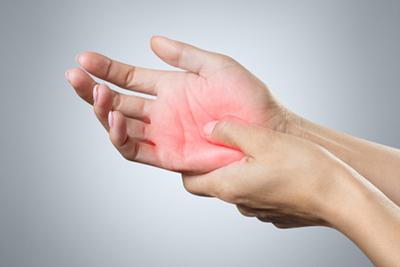
Complex Regional Pain Syndrome (CRPS) is a chronic pain condition that usually affects one limb, often an arm or leg, after an injury, surgery, or trauma. While the initial injury may heal, CRPS can cause long-lasting, severe pain that is disproportionate to the original event. At Reno Tahoe Pain Associates in Reno, NV, Dr. Ali Nairizi, Dr. Nicholas Carlevato, and Dr. Andrew Wesely provide compassionate, expert care for patients dealing with CRPS and other complex pain conditions.
Recognizing the Symptoms of CRPS
The most typical symptom of CRPS is persistent, aching, or burning pain in the affected area. As CRPS progresses, swelling, changes in skin temperature, abnormal sweating, or hyperalgesia to touch can be superimposed on the picture. The skin may become thin and shiny, and nail or hair growth may be affected. Ultimately, limited mobility, stiffness, and muscle weakness may ensue, interfering with the performance of daily activities and overall quality of life.
Understanding the Causes
CRPS has been believed to be caused by a nervous system failure following trauma. CRPS is classified into two categories: Type 1, which occurs without an established injury to the nerve, and Type 2, which follows injury to a specific nerve. CRPS typically follows fractures, sprains, surgery, or very minor injuries in most cases. CRPS can also occur without any apparent cause, which presents a challenge in diagnosis.
How CRPS Is Diagnosed
No single test exists for CRPS. Diagnosis is based on a comprehensive medical history, a thorough physical examination, and the exclusion of other potential causes. Your doctor can utilize imaging tests, such as X-rays, MRIs, or bone scans, and may also perform nerve function tests to assess your condition. Early recognition of the condition is crucial because earlier intervention leads to a better prognosis.
Why Early Diagnosis Matters
When diagnosed early, Complex Regional Pain Syndrome (CRPS) is often more responsive to treatment. The goal is to alleviate pain, enhance mobility, and prevent the condition from worsening or progressing. A tailored treatment plan may include physical therapy, medications, nerve blocks, or other targeted pain management techniques, offering the best chance for long-term relief and functional recovery.
Get the Care You Deserve
If you're experiencing unexplained, ongoing pain after an injury or surgery, especially if it’s accompanied by swelling, skin changes, or limited movement, don’t wait to seek help. At Reno Tahoe Pain Associates in Reno, NV, Dr. Nairizi, Dr. Carlevato, and Dr. Wesely are here to help you find answers and relief. Call (775) 384-1127 to schedule a consultation today.
- posted: May 05, 2025
Complex Regional Pain Syndrome (CRPS) is a chronic pain condition that usually affects one limb, often an arm or leg, after an injury, surgery, or trauma. While the initial injury may heal, CRPS can cause long-lasting, severe pain that is disproportionate to the original event. At Reno Tahoe Pain Associates in Reno, NV, Dr. Ali Nairizi, Dr. Nicholas Carlevato, and Dr. Andrew Wesely provide compassionate, expert care for patients dealing with CRPS and other complex pain conditions.
Recognizing the Symptoms of CRPS
The most typical symptom of CRPS is persistent, aching, or burning pain in the affected area. As CRPS progresses, swelling, changes in skin temperature, abnormal sweating, or hyperalgesia to touch can be superimposed on the picture. The skin may become thin and shiny, and nail or hair growth may be affected. Ultimately, limited mobility, stiffness, and muscle weakness may ensue, interfering with the performance of daily activities and overall quality of life.
Understanding the Causes
CRPS has been believed to be caused by a nervous system failure following trauma. CRPS is classified into two categories: Type 1, which occurs without an established injury to the nerve, and Type 2, which follows injury to a specific nerve. CRPS typically follows fractures, sprains, surgery, or very minor injuries in most cases. CRPS can also occur without any apparent cause, which presents a challenge in diagnosis.
How CRPS Is Diagnosed
No single test exists for CRPS. Diagnosis is based on a comprehensive medical history, a thorough physical examination, and the exclusion of other potential causes. Your doctor can utilize imaging tests, such as X-rays, MRIs, or bone scans, and may also perform nerve function tests to assess your condition. Early recognition of the condition is crucial because earlier intervention leads to a better prognosis.
Why Early Diagnosis Matters
When diagnosed early, Complex Regional Pain Syndrome (CRPS) is often more responsive to treatment. The goal is to alleviate pain, enhance mobility, and prevent the condition from worsening or progressing. A tailored treatment plan may include physical therapy, medications, nerve blocks, or other targeted pain management techniques, offering the best chance for long-term relief and functional recovery.
Get the Care You Deserve
If you're experiencing unexplained, ongoing pain after an injury or surgery, especially if it’s accompanied by swelling, skin changes, or limited movement, don’t wait to seek help. At Reno Tahoe Pain Associates in Reno, NV, Dr. Nairizi, Dr. Carlevato, and Dr. Wesely are here to help you find answers and relief. Call (775) 384-1127 to schedule a consultation today.
Our Location
Reno Tahoe Pain Associates
5500 Reno Corporate Drive, Suite 300
Reno, NV 89511
Hours of Operation
Monday
8:00 am - 5:00 pm
Tuesday
8:00 am - 5:00 pm
Wednesday
8:00 am - 5:00 pm
Thursday
8:00 am - 5:00 pm
Friday
8:00 am - 12:00 pm
Saturday
Closed
Sunday
Closed